Field Notes
Understand sampling, defect classes and acceptance limits
AQL sampling gives buyers a consistent way to inspect part of a production lot. It does not guarantee every unit, but it makes acceptance decisions more structured and repeatable.
Build an inspection plan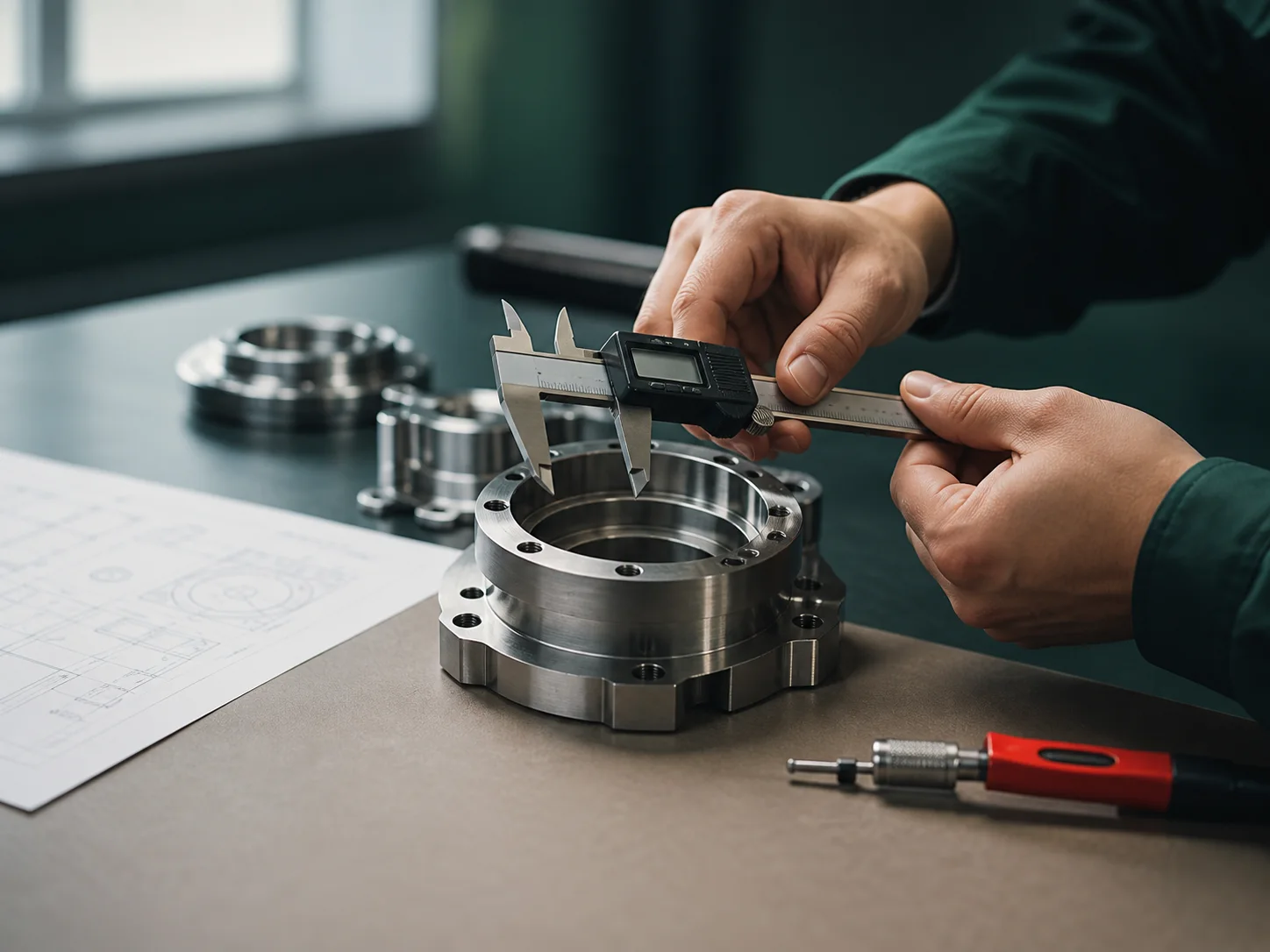
What AQL means
Review what aql means against the current transaction or market, not a generic assumption. Record the source, date and unresolved point so another person can follow the decision trail.
Record the source, owner and review date for what aql means. Keep it open until the evidence supports the answer.
Lot size and sample size
Lot size and sample size should produce evidence that can be checked independently. Keep the relevant company record, purchase document, specification or market source with the project file.
Record the source, owner and review date for lot size and sample size. Keep it open until the evidence supports the answer.
Critical defects
For critical defects, write down what would change the decision before collecting more information. This prevents a long checklist from hiding the few items that carry the greatest risk.
Record the source, owner and review date for critical defects. Keep it open until the evidence supports the answer.
Major defects
Treat major defects as an early control, not paperwork added after the order or campaign is underway. Gaps are cheaper to address while specifications, suppliers and market plans can still change.
Record the source, owner and review date for major defects. Keep it open until the evidence supports the answer.
Minor defects
Minor defects needs a named owner and a clear version. Outdated records, conflicting files and verbal changes should be resolved before they become production or publishing instructions.
Record the source, owner and review date for minor defects. Keep it open until the evidence supports the answer.
Acceptance and rejection numbers
Use the result of acceptance and rejection numbers to choose a next action: accept, clarify, correct, escalate or obtain specialist advice. A checklist is only useful when it changes what happens next.
Record the source, owner and review date for acceptance and rejection numbers. Keep it open until the evidence supports the answer.
Choosing an inspection level
Choosing an inspection level may require evidence from the supplier, buyer, public records or a qualified outside provider. Note who supplied each item and what authority it does or does not carry.
Record the source, owner and review date for choosing an inspection level. Keep it open until the evidence supports the answer.
When full inspection makes sense
Recheck when full inspection makes sense when the product, supplier, destination, regulation or commercial route changes. An earlier conclusion may no longer fit the current decision.
Record the source, owner and review date for when full inspection makes sense. Keep it open until the evidence supports the answer.